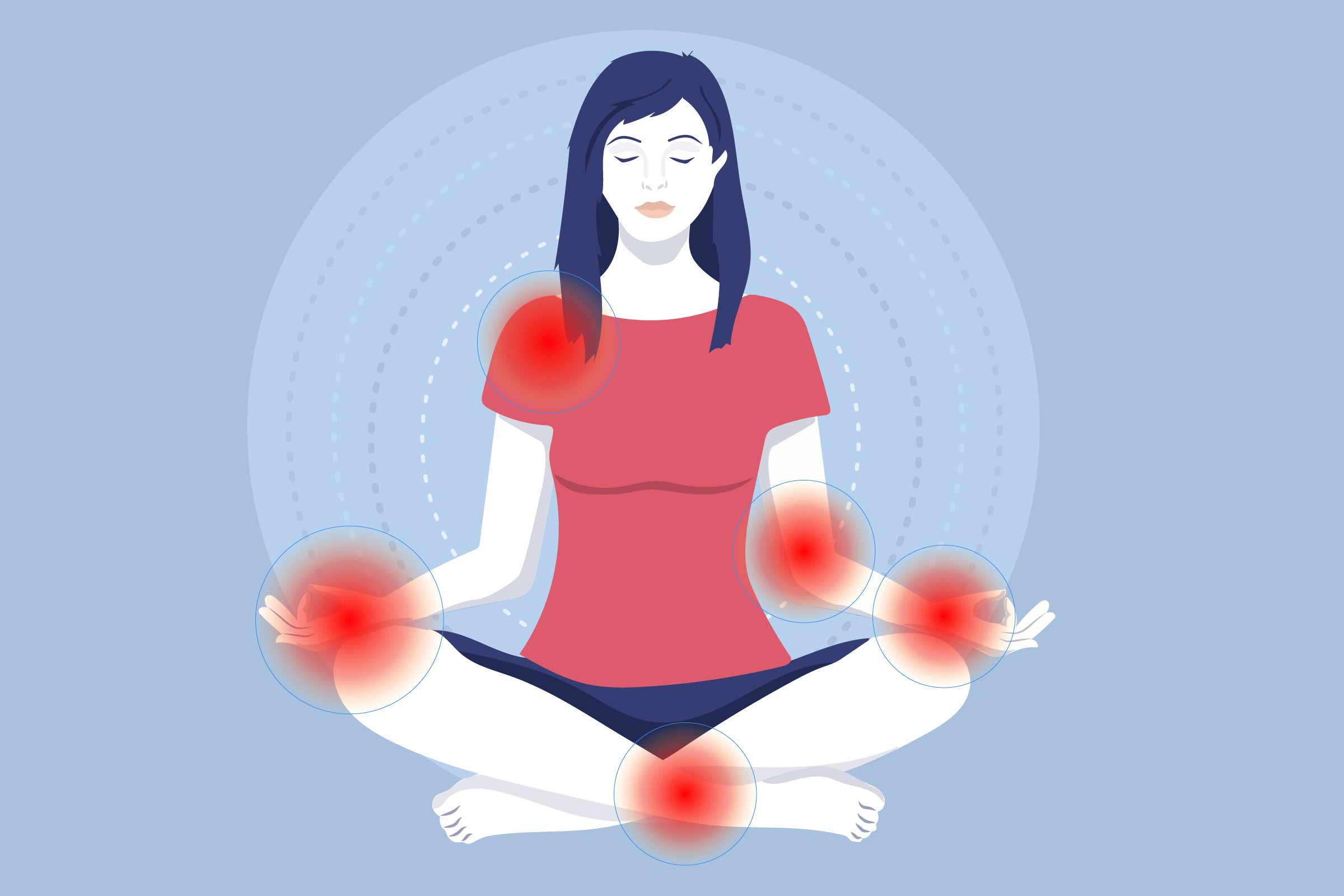
Safe Space Breathing
Target Age Group: Any age
Objective: This technique is to help children manage anxiety and distress related to trauma by creating a safe mental and emotional space. This method is grounded in the theory of mindfulness and emotional regulation, helping children develop coping strategies when faced with overwhelming feelings.
Why it Works
- Emotional Grounding:
- Helps children manage overwhelming emotions by providing a mental escape from stress or trauma
- Visualization fosters a sense of control and safety
- Mindfulness and Relaxation:
- Deep breathing activates the parasympathetic nervous system, promoting calm and reducing stress
- Combining breath control with visualization enhances emotional regulation
- Cognitive Distraction:
- Focusing on a comforting mental image interrupts negative thought patterns
- Prevents children from becoming overwhelmed by distressing emotions
Instructions:
- Overview:
- Safe Space Breathing is a calming technique where children imagine a "safe space" in their minds, real or imaginary. By visualizing this place and focusing on their breathing, they can bring their attention away from distressing thoughts.
- Step 1: Get Comfortable
- Begin by sitting comfortably with the child, ensuring they are in a calm and quiet environment
- Step 2: Breathing
- Ask the child to close their eyes and take three slow, deep breaths
- Inhale through the nose, hold for three seconds, and exhale through the mouth
- Step 3: Visualization
- Guide them to imagine a place where they feel completely safe and relaxed (real or imaginary)
- Step 4: Describe the Safe Space
- Ask the child to describe their safe space aloud
- Encourage attention to details like sights, sounds, and feelings
- Step 5: Practice
- Instruct the child to return to this safe space whenever they feel anxious or scared
- Encourage them to repeat the breathing process as needed